
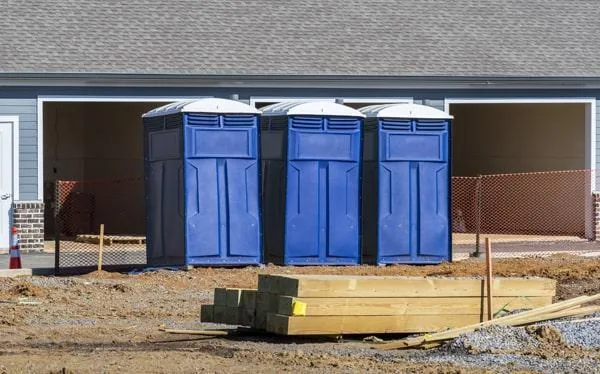
Choose and support the construction rental
Discuss standard portable toilets and separate handwashing for the workforce, together with accessible or enhanced needs. The offered models and fittings should match the people using them and the site support available. Portable toilet waste and used washing water require an agreed provider care arrangement.
Give the full project period, occupied shifts and usable entrances when requesting a quotation. Confirm equipment, delivery, cleaning, tank care, supplies and collection, including how extensions or extra visits are agreed. Protection between shifts is one part of keeping those accepted facilities available, not a replacement for normal servicing.
Identify when the site is actually unoccupied
A construction site may be empty between work periods while its rented toilets remain in place. Discuss protection with the site controller and provider before adding locks, barriers or other devices. The arrangement needs to discourage unauthorised interference without leaving the next crew or an agreed service visit unable to use the equipment.
Ask whether security staff, late workers or another authorised group remains after the main crew leaves. Identify the toilet and washing functions those people still need. The site should not close a required facility merely because the daytime trade team has finished.
Describe the actual concern to the provider: unauthorised use, interference with doors or access to an unattended work area. Ask which protective arrangements, if any, the provider permits for the supplied model. Do not assume that a customer-supplied lock, anchor or alteration is acceptable.
Choose protection that fits the approved position
Have the site controller and provider review any proposed fence, controlled entrance or other protection around the rental. Check door movement, the user approach and the handling space. A barrier that secures a work zone can also obstruct the toilet or washing station.
Preserve suitable accessible provision and its complete route whenever authorised users are present. Do not tether, brace, drill or modify a rental unit on the assumption that protection justifies the change. Obtain the provider’s accepted arrangement for its equipment.
Agree how authorised access resumes
Name the person responsible for making the accepted facilities usable before the next occupied work period. Confirm how an authorised provider visit gets access when the main crew is absent. A protection plan that depends on somebody who will not be present needs another agreed solution.
Keep any approved access information with the responsible site contact rather than attaching private access details to public signs. Tell the provider about changes to the protection arrangement before its next visit; do not assume an existing care appointment supplies authority to bypass a secured area.
Retain care and a clear reporting route
Agree cleaning, tank servicing, paper and washing water, soap, drying and used-water support during the hire. Protection does not replace routine care. At reopening, the site contact can report visible interference, damage or an unusable approach without attempting repairs or waste handling.
Confirm equipment, occupied period, approved protection, provider access, delivery and final collection in the accepted scope. If an arrangement proves impractical, request review before adding another obstruction or leaving authorised workers without facilities.
Questions before you book
May the site add its own lock or fixing to a rental unit?
Ask the provider what protection it permits for the actual model. Do not assume modifications or customer-supplied devices are authorised.
Can facilities be secured when the main crew leaves?
First identify any authorised users who remain and agree how their facilities and provider care access will stay usable.