
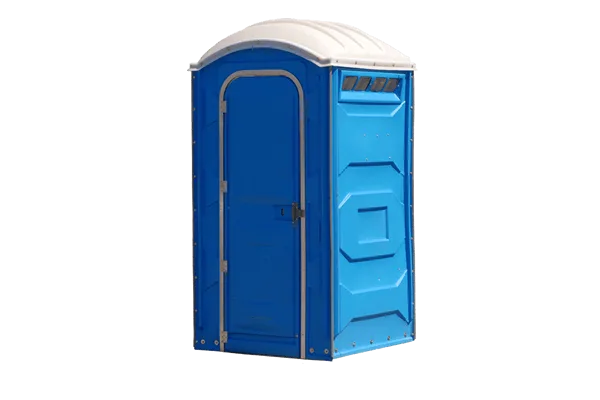
Ask about the actual cabin
Start with the toilet function, then build the rest of the arrangement around the people using it. A standard portable cabin can provide a private toilet at an approved location without requiring users to enter a permanent building.
A typical standard cabin contains a toilet and a holding tank for provider servicing. Confirm the offered fittings and supplies. Do not assume that a standard model flushes, includes an interior sink or has lighting. Request those functions explicitly if the activity needs them.
Place washing within the user’s routine
Users need a practical washing arrangement, not merely a toilet positioned somewhere on the property. Ask whether suitable existing washing facilities are available or whether a separate unit is needed. Agree clean-water provision, used-water handling, soap and drying supplies rather than treating sanitizer as the same function.
Choose the mix before filling the space
Explain the intended users, busy breaks and any existing bathrooms they may use. Include accessible requirements at this stage so the proposed layout can accommodate both equipment and a usable approach. A standard cabin should not be substituted for a different access need without a proper equipment and site discussion.
Make servicing part of the rental
Identify a position the property operator permits and the provider can reach. Keep its approach clear during use, assign someone to report problems and agree cleaning, tank service and replenishment. Give the provider the full required period and collection conditions so the quotation covers a usable arrangement, not just delivery of a cabin.
Questions before you book
Does standard mean a sink is included?
No particular fitting is assumed. Ask for the actual cabin specification and discuss separate handwashing where needed.
Can I move the cabin when the layout changes?
Ask the provider and property operator to agree any relocation. A new position must still support users and servicing.