
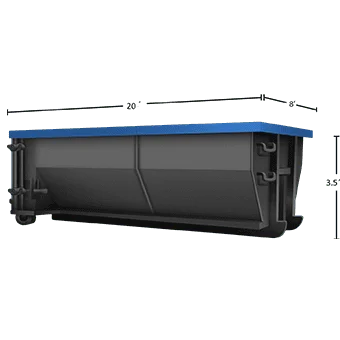
A container for accepted project debris
Dumpster hire provides a temporary container for holding provider-accepted materials until they are collected. Describe the actual cleanup, renovation or construction work and the debris it will produce; those project examples do not mean every material from them is accepted.
Choose the offered container by both the space the load occupies and its material weight, as well as loading access and the hire period. Confirm the provider’s assessment, loading responsibilities and transport and disposal terms. Container hire does not automatically include a crew to clear the property or load debris.
Give the provider a material description
Begin with the waste stream and the property. A dumpster arrangement should explain what enters the container, where loading occurs and how the loaded equipment can be collected.
Describe the project and major materials, including bulky contents and any dense debris. Ask which materials can share a load and which need separate arrangements. Volume and weight are different considerations.
Keep unknown, liquid or potentially hazardous material separate until its handling is resolved. If the project produces something outside the accepted list, discuss it before loading. A rental container is not permission to dispose of every item found during a cleanup.
Plan the approach through pickup
Describe gates, overhead obstacles, turning conditions and the proposed surface. The truck needs operating space as well as the container’s footprint. Ask the provider to assess the arrangement and confirm property consent or applicable public-space requirements.
Think about what arrives later: parked vehicles, tents, building materials or other containers may block the route. Assign someone to maintain access and coordinate collections so they do not conflict with guests or active work.
Make loading responsibilities clear
Give the team the accepted-material and fill limits. Avoid outside dumping and do not overfill or use an unapproved method to compact the load. Discuss an exchange or revised arrangement when needed.
Keep debris clear of exits and temporary restroom access. When toilets and a container are ordered for the same property, their service and collection routes should remain independently workable.
Review the quotation as a complete removal scope
Confirm container type, hire duration, transport, accepted materials, loading limits, disposal or weight provisions, exchanges and collection instructions. Explain whether the finish date is fixed or depends on the project.
Before pickup, make sure the load matches the agreement and the vehicle can approach. Report changed conditions promptly. The end of the activity does not automatically establish a collection appointment.
Questions before you book
Does the largest available container solve every load?
No. Material type, weight, access and handling requirements can matter as much as volume. Describe the debris before selecting equipment.
Can the container and toilets share one pickup arrangement?
Only if agreed. The equipment, vehicles and operating needs differ, so confirm the schedule and access for each service.